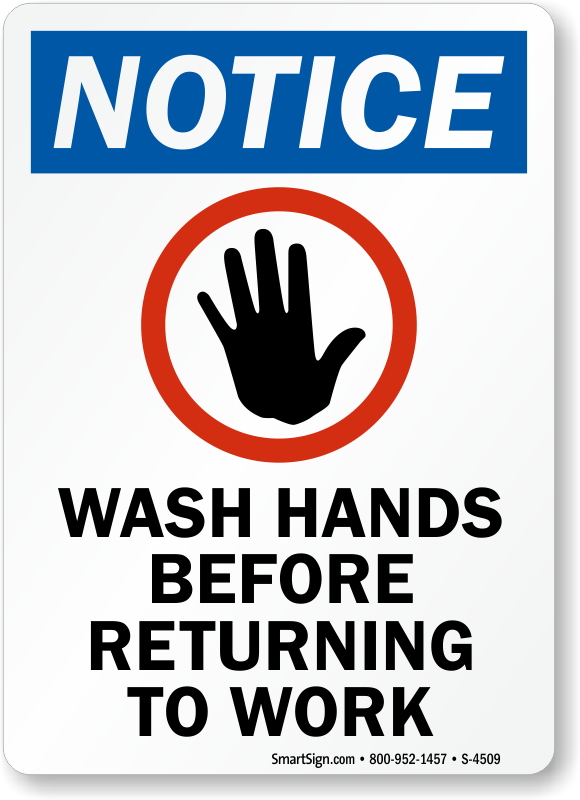
Employee’s must wash there hands before returning to work is a crucial infection control measure that helps prevent the spread of germs and bacteria in the workplace. This simple practice can help to protect employees from a variety of illnesses, including the common cold, flu, and more serious infections.
There are many benefits to washing your hands before returning to work, including:
- Reduced risk of spreading germs and bacteria to coworkers and customers
- Improved overall health and well-being
- Reduced absenteeism due to illness
It is important to make sure that you are washing your hands properly. To wash your hands effectively, follow these steps:
- Wet your hands with clean, running water (warm or cold), turn off the tap, and apply soap.
- Lather your hands by rubbing them together with the soap. Lather the backs of your hands, between your fingers, and under your nails.
- Scrub your hands for at least 20 seconds.
- Rinse your hands well under clean, running water.
- Dry your hands using a clean towel or air dry them.
By following these simple steps, you can help to protect yourself and others from the spread of germs and bacteria.
1. Hygiene: Handwashing eliminates germs and bacteria, promoting a clean and healthy work environment.
Handwashing is a critical component of workplace hygiene, directly connected to the requirement that “employees must wash their hands before returning to work.” By eliminating germs and bacteria, handwashing fosters a clean and healthy work environment, safeguarding the well-being of employees and contributing to overall productivity and workplace safety.
- Reduced Spread of Illness: Handwashing effectively removes germs and bacteria from the hands, preventing their transmission to surfaces, objects, and other individuals. This reduces the risk of spreading illnesses such as the common cold, flu, and more severe infections, creating a healthier workplace.
- Improved Personal Hygiene: Regular handwashing promotes personal hygiene among employees, encouraging them to maintain a clean and healthy appearance. This not only benefits their own well-being but also contributes to a more professional and hygienic work environment for all.
- Enhanced Workplace Safety: Handwashing helps prevent the spread of contagious diseases and infections, reducing the risk of workplace accidents and incidents. A clean and healthy work environment promotes employee safety and well-being, minimizing disruptions and maximizing productivity.
- Compliance with Regulations: Many industries and workplaces have regulations and standards regarding hygiene practices, including handwashing. Adhering to these regulations ensures compliance and demonstrates a commitment to maintaining a safe and healthy work environment.
In conclusion, the connection between ” Hygiene: Handwashing eliminates germs and bacteria, promoting a clean and healthy work environment” and “employees must wash their hands before returning to work” is vital. Handwashing is a fundamental hygiene practice that safeguards employee health, promotes workplace safety, and contributes to a clean and professional work environment, ultimately benefiting the well-being and productivity of the organization.
2. Health: Regular handwashing reduces the risk of infections and illnesses, safeguarding employees’ well-being.
Maintaining good health is crucial for employees’ productivity and overall well-being in the workplace. Handwashing plays a pivotal role in safeguarding employees’ health by minimizing the risk of infections and illnesses. This connection is directly linked to the requirement that “employees must wash their hands before returning to work.”
- Reduced Spread of Pathogens: Handwashing effectively removes germs and bacteria from the hands, preventing their transmission to the mouth, eyes, or other parts of the body. This reduces the risk of contracting and spreading illnesses such as the common cold, flu, and more severe infections.
- Improved Immune Function: Regular handwashing helps strengthen the immune system by reducing exposure to harmful microorganisms. A healthy immune system is better equipped to fight off infections and illnesses, promoting overall employee health and well-being.
- Prevention of Skin Infections: Handwashing removes dirt, chemicals, and other irritants from the skin, preventing skin infections and irritations. This promotes healthy skin and reduces the risk of dermatitis, eczema, and other skin conditions.
- Compliance with Health Regulations: Many industries and workplaces have health regulations that require employees to maintain good hygiene practices, including handwashing. Adhering to these regulations demonstrates a commitment to employee health and well-being, creating a safe and healthy work environment.
In conclusion, the connection between ” Health: Regular handwashing reduces the risk of infections and illnesses, safeguarding employees’ well-being” and “employees must wash their hands before returning to work” is vital. Handwashing is a fundamental health practice that protects employees from illness, promotes overall well-being, and contributes to a safe and healthy work environment, ultimately benefiting the productivity and success of the organization.
3. Safety: Handwashing prevents the spread of contagious diseases, ensuring a safe workplace for all.
Maintaining a safe workplace is paramount for the well-being of employees and the success of any organization. Handwashing plays a crucial role in preventing the spread of contagious diseases, thus ensuring a safe and healthy work environment. This connection is directly linked to the requirement that “employees must wash their hands before returning to work.”
- Reduction of Infectious Agents: Handwashing effectively removes germs and bacteria from the hands, preventing their transmission to surfaces, objects, and other individuals. This reduces the risk of spreading contagious diseases such as the common cold, flu, and more severe infections, creating a safer workplace for all.
- Compliance with Safety Regulations: Many industries and workplaces have safety regulations that require employees to maintain good hygiene practices, including handwashing. Adhering to these regulations demonstrates a commitment to workplace safety and health, creating a culture of prevention and reducing the risk of workplace accidents and incidents.
- Protection of Vulnerable Individuals: Handwashing is especially important for protecting vulnerable individuals in the workplace, such as those with weakened immune systems or chronic health conditions. By preventing the spread of contagious diseases, handwashing helps ensure their safety and well-being.
- Promotion of a Positive Work Environment: A safe and healthy work environment fosters employee satisfaction, productivity, and morale. Handwashing contributes to this positive work environment by reducing the risk of absenteeism due to illness and creating a sense of trust and well-being among employees.
In conclusion, the connection between ” Safety: Handwashing prevents the spread of contagious diseases, ensuring a safe workplace for all” and “employees must wash their hands before returning to work” is vital. Handwashing is a fundamental safety practice that safeguards employee health, promotes a positive work environment, and contributes to a safe and productive workplace, ultimately benefiting the organization as a whole.
4. Productivity: Healthy employees are more productive, reducing absenteeism and maintaining optimal performance.
Maintaining a healthy workforce is essential for optimal productivity and success in any organization. The connection between ” Productivity: Healthy employees are more productive, reducing absenteeism and maintaining optimal performance” and “employee’s must wash there hands before returning to work” is undeniable.
- Reduced Absenteeism: Handwashing helps prevent the spread of contagious diseases, reducing employee absenteeism due to illness. Healthy employees are able to attend work regularly, contributing to consistent productivity and seamless workflow.
- Enhanced Focus and Concentration: When employees are healthy, they can focus better and maintain higher levels of concentration. Handwashing helps prevent the spread of germs and bacteria, reducing distractions and interruptions caused by illness, allowing employees to perform at their best.
- Increased Energy Levels: Healthy employees have higher energy levels, which translates into greater productivity. Handwashing helps maintain overall well-being, reducing fatigue and boosting energy levels, enabling employees to work efficiently throughout the day.
- Improved Morale and Job Satisfaction: A healthy workforce is generally more satisfied with their jobs and has higher morale. Handwashing contributes to a clean and healthy work environment, which fosters a sense of well-being and job satisfaction, ultimately leading to increased productivity.
In conclusion, the connection between ” Productivity: Healthy employees are more productive, reducing absenteeism and maintaining optimal performance” and “employee’s must wash there hands before returning to work” is crucial. Handwashing plays a vital role in maintaining a healthy workforce, reducing absenteeism, enhancing focus and concentration, increasing energy levels, and improving morale and job satisfaction. By adhering to this simple practice, organizations can foster a productive and successful work environment.
5. Responsibility: Employees have a responsibility to maintain good hygiene practices, including handwashing, to protect themselves and their colleagues.
The connection between ” Responsibility: Employees have a responsibility to maintain good hygiene practices, including handwashing, to protect themselves and their colleagues.” and “employee’s must wash there hands before returning to work” is crucial. Handwashing is a fundamental aspect of workplace hygiene and a shared responsibility among employees to ensure a healthy and safe work environment.
- Personal Responsibility: Employees have a personal responsibility to maintain good hygiene practices, including handwashing, to protect their own health and well-being. This includes washing hands before returning to work, after using the restroom, and after handling potentially contaminated materials.
- Colleague Responsibility: Employees also have a responsibility to protect their colleagues by adhering to good hygiene practices. Handwashing helps prevent the spread of germs and bacteria, reducing the risk of transmitting illnesses to coworkers and creating a healthier work environment for all.
- Ethical Responsibility: Maintaining good hygiene is an ethical responsibility in the workplace. By following proper handwashing procedures, employees demonstrate respect for their colleagues and contribute to a culture of health and safety.
- Legal Responsibility: In some jurisdictions, there may be legal requirements for employees to maintain good hygiene practices in the workplace. Adhering to these regulations is not only a legal obligation but also a reflection of the organization’s commitment to employee health and safety.
In conclusion, the connection between ” Responsibility: Employees have a responsibility to maintain good hygiene practices, including handwashing, to protect themselves and their colleagues.” and “employee’s must wash there hands before returning to work” underscores the importance of personal, colleague, ethical, and legal responsibilities in maintaining a healthy and safe work environment. Handwashing is a simple yet effective practice that demonstrates care for oneself and others, promoting a culture of health and well-being in the workplace.
FAQs
Maintaining proper hand hygiene is crucial in the workplace, and this FAQ section addresses common questions and concerns regarding the requirement for employees to wash their hands before returning to work.
Question 1: Why is it important for employees to wash their hands before returning to work?
Handwashing is essential to prevent the spread of germs and bacteria, which can cause illnesses and infections. By washing their hands, employees protect themselves and their colleagues from contracting and spreading diseases, ensuring a healthier and safer work environment.
Question 2: How often should employees wash their hands?
Employees should wash their hands frequently throughout the day, especially before and after eating, using the restroom, handling food or garbage, and after coming into contact with potentially contaminated surfaces or objects.
Question 3: What is the proper way to wash hands?
To effectively wash hands, follow these steps:
- Wet hands with clean, running water (warm or cold), turn off the tap, and apply soap.
- Lather your hands by rubbing them together with the soap. Lather the backs of your hands, between your fingers, and under your nails.
- Scrub your hands for at least 20 seconds.
- Rinse your hands well under clean, running water.
- Dry your hands using a clean towel or air dry them.
Question 4: What are the consequences of not washing hands before returning to work?
Failing to wash hands can increase the risk of spreading germs and bacteria, leading to illnesses and infections among employees. This can result in absenteeism, reduced productivity, and a less healthy work environment.
Question 5: Are there any exceptions to the rule of washing hands before returning to work?
In general, there are no exceptions to this rule. Employees should always wash their hands before returning to work to maintain a clean and healthy work environment.
Question 6: What should employees do if they do not have access to soap and water?
If soap and water are not readily available, employees should use an alcohol-based hand sanitizer with at least 60% alcohol. However, handwashing with soap and water is always the preferred method for effective hand hygiene.
In conclusion, adhering to the requirement of washing hands before returning to work is essential for maintaining a healthy and safe workplace. By following proper handwashing procedures, employees can prevent the spread of germs and bacteria, protect themselves and their colleagues from illnesses, and contribute to a more productive and positive work environment.
Transition to the next article section:
Maintaining proper hand hygiene is just one aspect of workplace safety and health. For more information on creating a safe and healthy work environment, please refer to the following resources:
- [Link to resources on workplace safety and health]
Tips for Adhering to the Requirement of “Employee’s Must Wash Their Hands Before Returning to Work”
Maintaining proper hand hygiene in the workplace is crucial for preventing the spread of germs and bacteria, ensuring a healthy and safe work environment. Here are some tips to help employees effectively adhere to the requirement of washing their hands before returning to work:
Tip 1: Establish Designated Handwashing Stations
Ensure that there are accessible handwashing stations throughout the workplace, equipped with soap, clean water, and paper towels or air dryers. This makes it convenient for employees to wash their hands frequently.
Tip 2: Provide Regular Reminders
Display posters or signs in prominent locations reminding employees to wash their hands before returning to work. Regular reminders help reinforce the importance of hand hygiene and encourage compliance.
Tip 3: Implement a Hand Hygiene Policy
Develop a clear and comprehensive hand hygiene policy that outlines the requirement for employees to wash their hands before returning to work. Communicate this policy effectively to all employees and ensure they understand its importance.
Tip 4: Encourage Employee Accountability
Emphasize the personal and collective responsibility of employees in maintaining good hand hygiene. Encourage employees to hold each other accountable for following proper handwashing procedures.
Tip 5: Provide Training and Education
Conduct regular training sessions or provide educational materials on proper handwashing techniques and the importance of hand hygiene in the workplace. This ensures that employees have the knowledge and skills to effectively wash their hands.
Tip 6: Monitor and Evaluate Compliance
Regularly monitor and evaluate employee compliance with handwashing protocols. This may involve observing handwashing practices or conducting anonymous surveys. Use this feedback to identify areas for improvement and reinforce the importance of hand hygiene.
Summary:
By implementing these tips, organizations can create a culture of hand hygiene in the workplace, ensuring that employees adhere to the requirement of washing their hands before returning to work. This contributes to a healthier and safer work environment, reducing the risk of illnesses and infections, and promoting employee well-being and productivity.
Conclusion
Maintaining proper hand hygiene in the workplace is paramount for preventing the spread of germs and bacteria, ensuring a healthy and safe work environment. The requirement for “employee’s must wash there hands before returning to work” is a critical measure that safeguards the well-being of employees, reduces absenteeism, and promotes productivity.
By adhering to this simple yet effective practice, organizations can create a culture of hand hygiene that contributes to a healthier workforce and a more productive work environment. It is the responsibility of every employee to maintain good hygiene practices, including handwashing, to protect themselves, their colleagues, and the organization as a whole.